
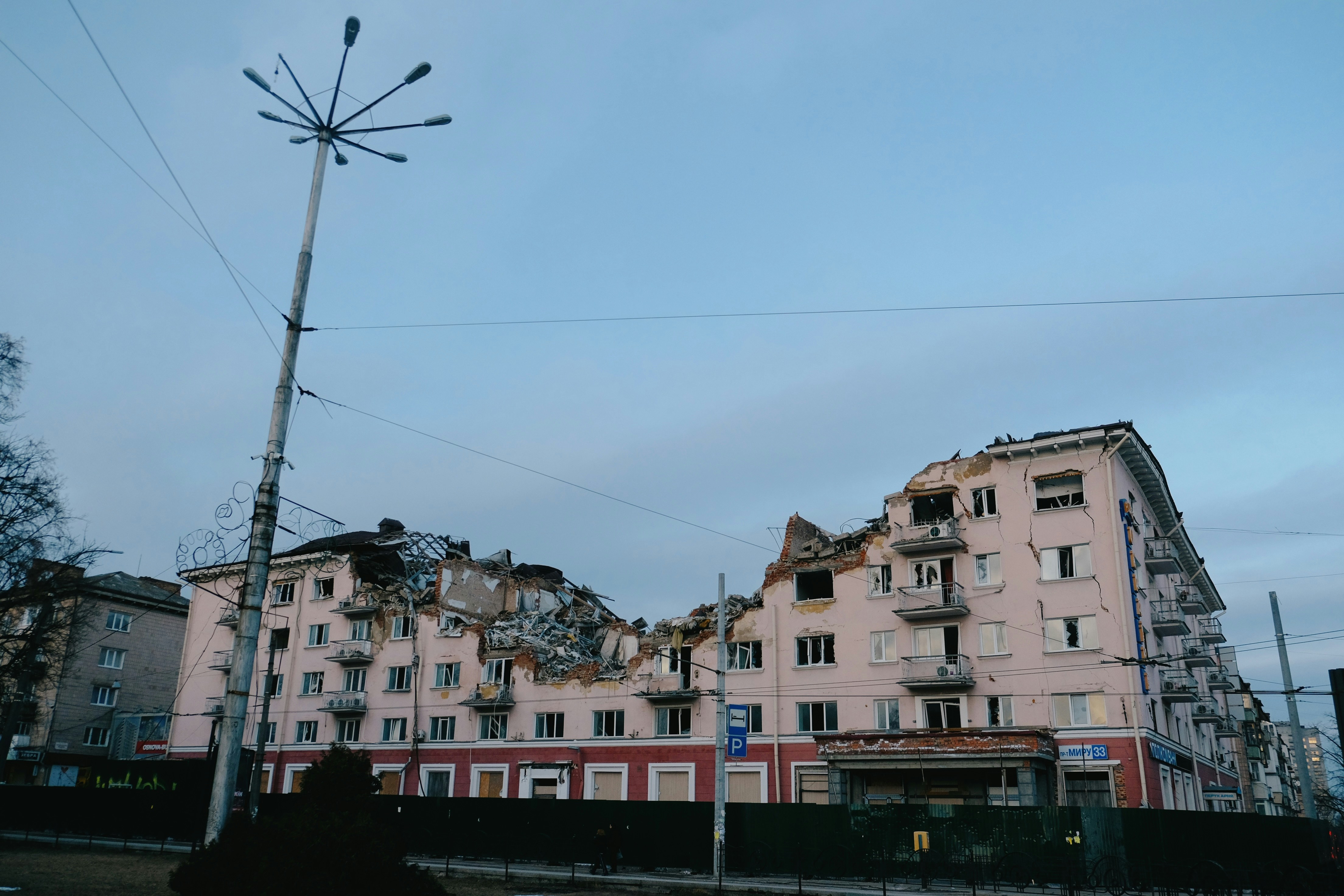
Since the invasion of Ukraine began in 2022, Russia has sustained enormous battlefield casualties, equipment losses, and economic damage. Despite this, the Kremlin has shown no sign of abandoning the war, and continues to send thousands of troops to the frontlines. The Russian government has taken a hard line in all successive peace negotiations and, outwardly, appears confident in its ability to achieve victory in Ukraine.
According to Ukrainian military intelligence, Russia has 620,000 active troops operating in Ukraine and adjacent regions, while Ukraine fields 880,000 active personnel. Estimates of Russian military casualties since the start of the conflict range from around 800,000 to 1.1 million, while Ukraine is thought to have suffered between 400,000 to 500,000. While it is difficult to obtain reliable figures, reports suggest that Russian soldiers are suffering casualties at a much higher rate, and the true figures may not be known until the war’s conclusion.
Despite its higher losses, Russia’s much larger population allows it to mobilise more troops and provides greater ability to replace battlefield losses. According to Ukraine’s Commander-in-Chief, Russia has around 5 million trained reservists, of which only a fraction have been mobilised and sent to the frontlines. Russia has not declared a full mobilisation, and has been able to enlist new troops to send to the frontline by recruiting from prisons and hiking financial incentives, which have allowed it to maintain a large reservist force they can draw on if the war continues.
Ukraine, with its significantly smaller population, has had to mobilise a larger proportion of its population to obtain parity on the battlefield. Since declaring martial law, Ukraine has mobilised much of its civilian population, and if the war continues at current casualty rates, it will face mounting manpower shortages that could hamper its ability to fend off Russian advances.
Despite this, there are signs that Russia’s advance is slowing. Ukraine has maintained fierce resistance against unfavourable odds and has been successful in innovating military strategies that have given it a comparative edge in the conflict, most notably with FPV and long range drones, alongside attacks on logistics, ammunition, and supply lines inside Russian territory. Additionally, military aid from the West and other countries in the form of highly advanced fighter jets, air defence systems, and tanks have helped reduce the impact of Russia’s larger manpower.
This aid will continue to prove vital in preventing Russia from advancing further into Ukraine, and will be a decisive factor in the outcome of the war. Ukraine has also bolstered its domestic production capabilities, allowing it to produce 40% of its own weapons which will gradually help to reduce its reliance on Western equipment.
Despite the enormity of Russian losses in Ukraine, both human and material, the unique historic and political conditions of Russia help to explain why the Kremlin does not seem eager to end the war in the near future. Short, victorious wars have been a crucial tool for Putin’s authoritarian regime which aim to rally popular support and consolidate Putin’s legitimacy. During these conflicts, Putin’s approval ratings rise as he is portrayed as the defender of Russia’s territorial integrity and a leader restoring Russia’s “great power” status. Losing the war, or giving favourable concessions to Ukraine in exchange for peace, would be incongruent with his constructed image as the guarantor of stability and national revival, undermining the foundations of his legitimacy as leader.
Thus far, Putin does not appear to be concerned that the mounting losses of the war will pose a threat to his rule at this stage in the war. Repression of dissidents and anti-war activists, combined with consistent propagandising of the population with narratives of NATO aggression and expansion has helped prevent mass anti-war movements. Much of Russia still only feels indirect impacts of the war, and the political elites have been largely shielded from its effects, with most mobilisation occurring in poorer, rural regions.
Putin’s willingness to continue the war is also a product of the political insulation of his government. Authoritarian regimes can incentivise strategic miscalculation by producing information bottlenecks at the highest layers of government. Elites and military commanders are disincentivised to provide realistic assessments of facts on the ground for fear of dissenting from official narratives, and operate under constant fear of punishment or dismissal. Loyalty is often rewarded over competence, and the result can be severe overestimations of military capability. The initial invasion in 2022 was clearly based on false assumptions, as the leadership spoke of a “three day war” in which they would be greeted by Russian speaking Ukrainians, which did not come to pass. This effect may continue to prolong the war if Russia’s military and industrial capacity is overestimated and Ukraine’s resilience is underestimated.
In economic terms, Russia will still be able to “afford” the war for the foreseeable future. Paradoxically, the outbreak of war and sanctions on Russian oil actually increased Russia’s annual income from exports in 2022 due to a sharp rise in oil prices. In the following years, Russia has exported more oil to countries like China and India at higher prices, and export revenues are now close to the average of the past decade. As a result, Russia is still able to afford an acceptable standard of public spending for its citizens, and the impact of capital outflows and sanctions has not collapsed the Russian economy.
Western sanctions on Russia have still had a significant effect on the Russian economy, leading to technical degradation, sharp declines in manufacturing and reduced foreign direct investment. However, as Russia has pivoted to a more war oriented economy, the effects of sanctions will likely have longer term effects rather than halting the war economy in its tracks. While in theory, Western countries could enact much harsher sanctions, their willingness to do so is constrained by the fact that much of Europe still relies on Russian fuel exports.
However, if oil and gas revenues decline significantly, Russia will face serious economic pressure that could threaten its ability to continue a prolonged war. These revenues are essential are essential not only for Russia’s war economy, but also for providing economic opportunities to the elite class which helps Putin maintain power.
Putin’s current calculation appears to be that as long as export revenues continue, time will be on Russia’s side in the war and a prolonged war of attrition exhaust Western political will faster than Russia’s own capacity to absorb losses. The key factor in the outcome of the war will be whether or not Ukraine’s allies can maintain a united front of economic and military support. Western countries still possess around $300 billion in frozen Russian assets, which could be decisive in bolstering Ukraine’s capacity to continue fighting if the political will can be found to fully utilise them. However, if support for Ukraine slows or falters, we are likely to see a continuation of the long war of attrition, with steady losses on both sides for the foreseeable future.

Leave a Reply