
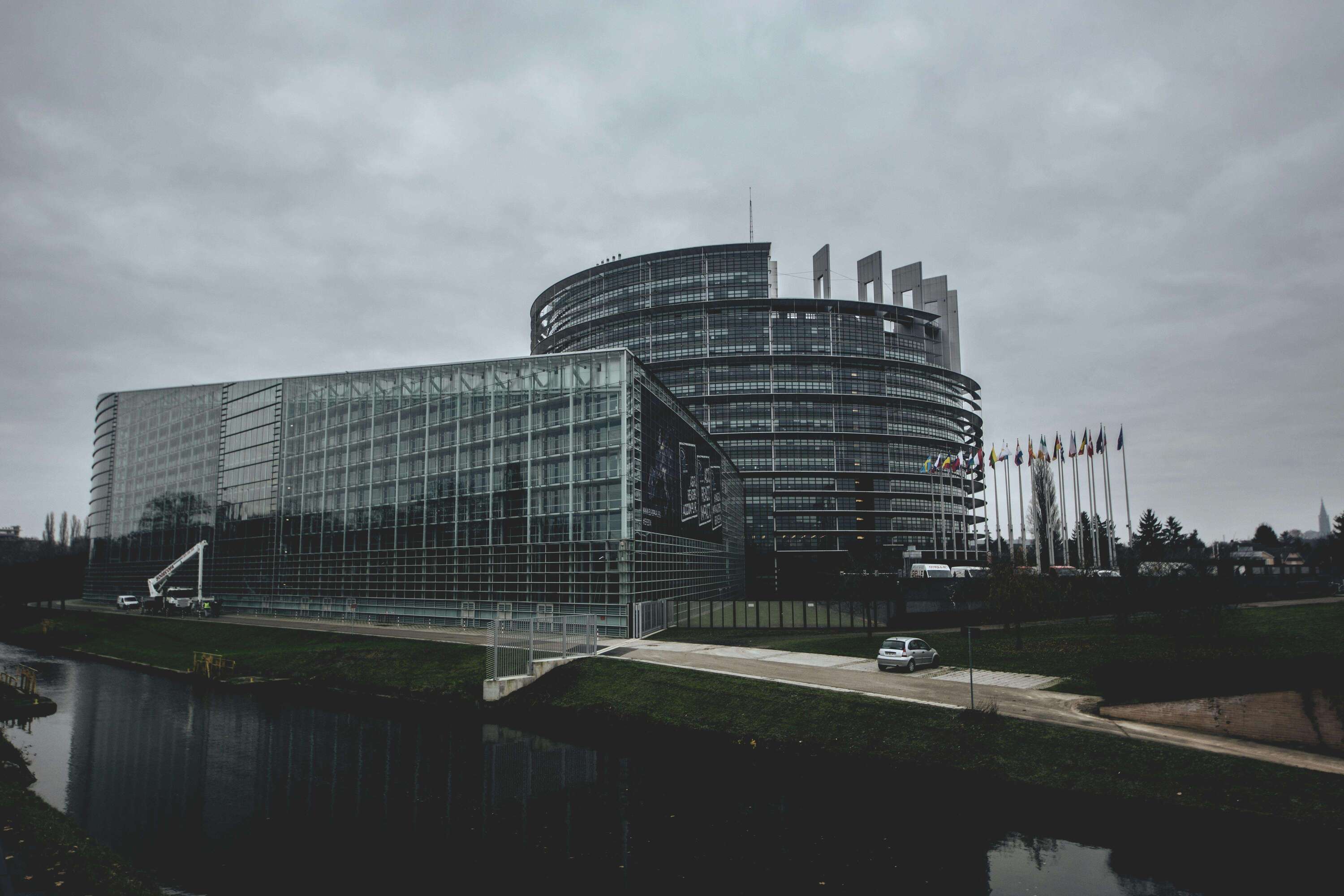
Amid the backdrop of Russia’s ongoing invasion of Ukraine and heightened geopolitical tensions, the EU has accelerated efforts to bolster the defence of member states with the Security Action for Europe (SAFE) programme. Adopted by the Council of the European Union on May 27th 2025, SAFE has set aside €150 billion in competitively priced, long maturity loans which will allow applicant countries to boost their national defence budgets and bolster their defensive capabilities. The programme is part of the EU’s broader ReArm Europe Plan 2030, which seeks to mobilize €800 billion in defence spending across the EU.
As well as bolstering Europe’s military might, the programme also seeks to further develop and strengthen the domestic defence industries of European countries amid ongoing uncertainty around the role the United States will play in Europe’s defence. Donald Trump has not taken a consistent line on military support for Ukraine, and has signalled previously that he would be reluctant to defend NATO countries whom he considers to have not met NATO spending targets. Romania’s defence ministry announced on Wednesday that 700 to 800 American troops will be withdrawn from NATO’s Eastern flank. Consequently, EU leaders are seeking to reduce their reliance on the US in their security plan for Europe, and have included provisions in SAFE that seek to stimulate domestic production of military equipment. Under SAFE, no more than 35% of component costs in procurement contracts may originate from outside the EU, EEA-EFTA, or Ukraine. SAFE projects will aim to be based on ‘common procurement’, meaning two or more countries will buy the same defence equipment jointly, lowering overall costs and aiding interoperability.
While SAFE loans are only open to EU member states, common procurement deals are open to other countries that meet certain criteria, such as those that have signed security and defence partnerships with the EU or candidate countries for EU membership, provided the security and defence interests of the EU and its member states are taken into account. There has been controversy over Turkey’s interest in utilising the SAFE programme, with Greece and Cyprus expressing opposition to their bid. Greek Prime Minister Kyriakos Mitsotakis has expressed his view that Turkey should not have access to SAFE until it formally drops its active threat of war against Greece should they exercise their right to extend their territorial waters to 12 nautical miles under the United Nations Convention on the Law of the Sea. Greek government officials have consistently raised concerns over what they consider to be aggressive and expansionist rhetoric from the Turkish side, with President Erdogan threatening to fire ballistic missiles at Athens in December of 2022 and in November of that year threatening that the Turkish military may invade Greece “suddenly one night”. While the SAFE programme appears to be primarily postured to protect against Russian aggression, Mitsotakis has argued that the EU should remain cognisant of other potential threats to the sovereignty of member states.
In light of the renewed focus on defending Europe’s Eastern flank as Russia’s invasion of Ukraine continues, some of the largest SAFE loans have been awarded to countries along the borders of Russia and Ukraine, with Poland alone due to receive €43,734,100,805 in loans of the €150,000,000,000 total available, representing the largest allocation of any member state. Romania has been allocated the second highest total at €16,680,055,394, with France, Hungary and Italy coming close behind. The Baltic states also received large amounts relative to their military budgets which will improve their deterrent capabilities against Russia and allow them to play a greater role in Europe’s defensive strategy.
Leave a Reply