
As Russia’s invasion of Ukraine rages on, much of Europe still relies on Russian gas imports to meet demand, totalling around 13% of gas imports to EU countries. While the EU commits to finding alternatives to Russian gas, discoveries of sizeable natural gas reserves in Cyprus in recent years could create the perfect opportunity to power Europe without fuelling Russia’s war machine.
It is estimated that Cyprus’ natural gas reserves would be able to power 22 million homes per year for a decade, far exceeding the demand of the small island nation with only 1.3 million people. According to Cypriot President Christodoulides, the first gas planned to be exported will come from the Cronos field Southwest of Cyprus, which is estimated to hold 3.1 trillion cubic feet of gas. This gas could reach Europe relatively quickly as it can be connected to existing infrastructure which transfers gas from nearby Egyptian gas deposits.
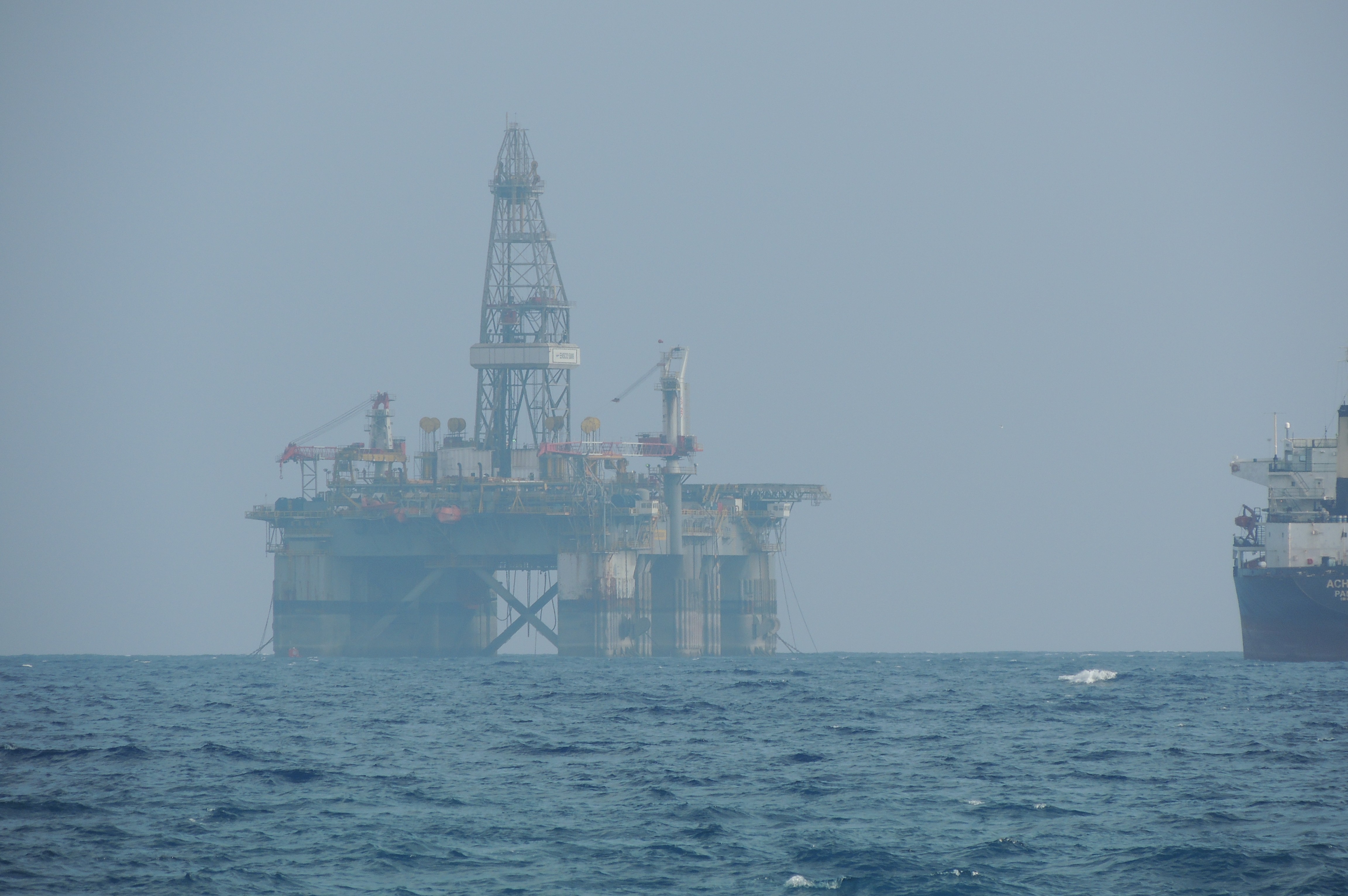
While the first discoveries of gas around Cyprus were discovered in the early 2000s, efforts to extract and export it have been fraught with difficulty. In 2018, a drill ship of Italian company ENI was blocked by Turkish warships as it attempted to carry out drilling in Cyprus’ EEZ (Exclusive Economic Zone). In 2019, the EU withdrew €146 million in financial aid to Turkey for attempting to illegally exploit Cyprus’ gas reserves and unilaterally drill for gas in its waters.
Turkey has maintained that it does not recognise the Republic of Cyprus, and therefore claims it does not require permission to drill in its waters, despite Cyprus signing maritime boundary agreements with Egypt, Israel, and Lebanon that clearly define its jurisdiction. The resulting tension and uncertainty in the region led to potential drilling of Cypriot gas being delayed or cancelled. However, Turkey’s efforts to normalise relations with its neighbours in recent years, along with the recent discovery of large gas deposits in the Black Sea, have led to a noticeable de-escalation in the Eastern Mediterranean and has created a more stable environment for Cyprus to pursue exploration.
This cooling of the regional climate has renewed the confidence of international companies to get involved in drilling Cypriot gas. Additionally, the creation of the East Mediterranean Gas Forum in 2020 by countries including Greece, Cyprus, Egypt and France has helped to foster stability and co-operation in the region. The US has voiced support for the EMGF’s role in facilitating energy co-operation, and the EU has already made deals with members of the Forum, such as with Egypt in 2022, where an agreement was made to import gas from the region to reduce Europe’s reliance on Russian energy.
Cypriot leaders are hoping that Cypriot gas could reach European markets by 2027. However, the shift towards green energy remains a key initiative of the EU’s ‘REPower EU’ plan, which has the goal of both diversifying energy supplies away from Russia, and moving towards the broader use of cleaner energy by 2030. While Cypriot gas can help achieve the former goal, it will likely serve primarily as a temporary bridge to help replace Russian gas rather than being part of Europe’s longer term energy strategy.
Leave a Reply